

When you’re on the hunt for the most durable luggage, you’re not just buying a bag. You’re investing in a travel companion that needs to survive everything from careless baggage handlers to cobblestone streets. Year after year, a few names consistently top the list: Briggs & Riley, TUMI, and Samsonite. These brands have built their reputations on creating luggage that can truly take a beating.
What Makes Luggage Genuinely Durable?
Before we pit the top brands against each other, let's get on the same page about what "durability" really means. It’s not just a marketing buzzword. True durability is a mix of smart material choices, solid engineering, and attention to the small parts that take the most abuse. After all, a suitcase is only as tough as its weakest wheel or zipper.
Understanding these fundamentals is what separates a savvy traveler from someone who ends up buying a new bag every few years. It lets you see past the sales pitch and focus on what actually makes a suitcase last.
Hardside vs. Softside: The Material Breakdown
Your suitcase's first line of defense is its shell. The material it's made from determines how it will react to being dropped, dragged, and crammed into an overhead bin.
- Polycarbonate: This is the superstar of modern hardside luggage. Its magic lies in its flexibility. When it takes a hit, it flexes inward to absorb the impact and then pops back into shape. It gives you incredible impact resistance without weighing you down.
- Aluminum: If you’re carrying fragile gear and need maximum protection, aluminum is your fortress. It’s the heaviest and priciest option, but it's built like a tank. Just know that it dents instead of flexing, so it will start to show its travel history with a unique "patina" of dings and scrapes.
- Ballistic Nylon: This is the gold standard for softside luggage. Originally created for military flak jackets, this incredibly tough fabric is a beast when it comes to resisting scrapes, scuffs, and tears. It won’t crack like a hardside case, making it a workhorse for frequent flyers.
The bottom line? There’s no single "best" material. It’s a trade-off. Do you want the shock absorption of polycarbonate, the rigid security of aluminum, or the abrasion resistance of ballistic nylon? Your answer depends entirely on how and where you travel.
The Unseen Strength: Construction and Frame
What the shell is made of is only half the story. How the suitcase is put together is just as important. The best bags have reinforced corners—because corners are almost always the first point of impact. A strong internal frame is also key, acting as the skeleton that keeps the bag from getting crushed when it's at the bottom of a pile.
The Make-or-Break Components: Wheels and Zippers
I’ve seen it a hundred times: a beautiful, expensive suitcase rendered useless by a snapped wheel or a busted zipper. These high-stress parts are where cheap luggage always fails first. Here's what the pros look for:
| Component | The Gold Standard | Why It's a Non-Negotiable |
|---|---|---|
| Wheels | Dual-Caster Spinners (8 wheels total) | These are a game-changer for stability and smooth rolling. Unlike single wheels that put all the pressure on one small point, dual casters distribute the weight, reducing strain and letting you glide effortlessly through the airport. |
| Zippers | YKK Zippers | YKK is the undisputed king of zippers for a reason. They're reliable, smooth, and feature self-repairing teeth that can fix minor misalignments on their own. A cheap zipper will fail, and when it does, your trip is in jeopardy. Insist on YKK. |
When you know what to look for in the materials, construction, and hardware, you stop being a casual shopper and become an informed investor. It’s this knowledge that will help you pick a piece of luggage that’s ready for a lifetime of adventures.
Comparing the Top Tiers of Durable Luggage
Now that we know what makes a bag tough, it’s time to put the industry’s heavy hitters under the microscope. The most durable luggage brands don’t just use strong materials; they blend proprietary tech, smart construction, and beefy hardware into a product that actually survives modern travel. We're going to compare four top-tier brands—Samsonite, TUMI, Briggs & Riley, and Carl Friedrik—to see how their unique approaches to durability stack up for different travelers.
Each of these brands has a completely different philosophy. You’ve got Samsonite’s obsession with material science, Briggs & Riley’s clever, user-focused engineering, and everything in between. This isn't just about marketing fluff; it's a real-world comparison based on the durability factors that count.
Samsonite: The Innovation Powerhouse
Samsonite is a household name for a reason. They stay at the top of their game through relentless innovation, particularly in materials science. They are true masters of creating hardside luggage that's both feather-light and incredibly tough, often pioneering new composites that the rest of the industry follows.
Their standout material is Roxkin, a multi-layered polypropylene that’s exceptionally strong without weighing you down. It’s engineered to flex on impact and bounce right back, similar to high-end polycarbonate but with better scratch resistance. That makes Samsonite’s hardside cases a fantastic choice for anyone who wants top-tier protection without the heft.
This dedication to advanced materials has cemented Samsonite's reputation. In fact, Samsonite is the undisputed durability champion, scoring an impressive 9.2/10 in the 2025 expert durability testing and smart features comparison. This wasn't just a simple test; it covered everything from material strength to wheel performance under extreme stress. Their latest innovations, like Roxkin panels made from advanced polymers, deliver unmatched resilience.
It's no surprise they dominate the global market, which is projected to grow from USD 38.80 billion in 2023 to USD 61.49 billion by 2030. In North America alone, the brand generated about 39% of its 2.9 billion USD revenue in 2022. During testing, their hardside spinners survived over 50 simulated rough-handling cycles, crushing competitors and proving they're built for frequent flyers who log 100+ trips a year. With hardside luggage commanding a massive 72.18% market share in 2024, Samsonite's polycarbonate shells are leading the charge.
TUMI: The Ballistic Nylon Specialist
TUMI made its name by perfecting softside luggage, and it all comes down to their signature FXT Ballistic Nylon. This isn't your standard nylon; it's a proprietary weave that's far denser and more resistant to abrasion. For the road warrior who often gate-checks their bag, that toughness against scuffs, tears, and snags is a game-changer.
While TUMI also makes excellent hardside cases using materials like their Tegris composite (the same stuff used in body armor and race cars), the brand's heart and soul is in its softside collections. TUMI bags feel engineered for the business traveler, with reinforced frames, shock-absorbing corner guards, and the patented DuraFold™ construction method, which fortifies the corners with heavy-duty stitching.
TUMI's philosophy feels rooted in over-engineering for real-world abuse. Their intense focus on high-denier ballistic nylon and reinforced stress points means their softside bags can often outlast hardside competitors in scenarios involving constant friction and rough handling.
Briggs & Riley: The Engineering Marvel
Frequent flyers absolutely love Briggs & Riley, and it's mostly for one reason: brilliant engineering that actually solves traveler problems. While they use top-notch materials like ballistic nylon, their real secret to durability lies in patented mechanical systems and the best warranty in the business.
Their most famous feature is the CX® Expansion-Compression system. It lets you expand the bag to pack more, then compress it back to its original size. This isn't just a convenience; it's a durability feature in disguise. By cinching everything down, it takes immense pressure off the zippers, preventing the strain that causes them to fail—one of the most common luggage fatalities.
On top of that, their Outsider® handle is mounted on the exterior of the bag. This clever design creates a completely flat packing surface inside while also strengthening the suitcase's overall frame, adding structural integrity that helps it resist being crushed.
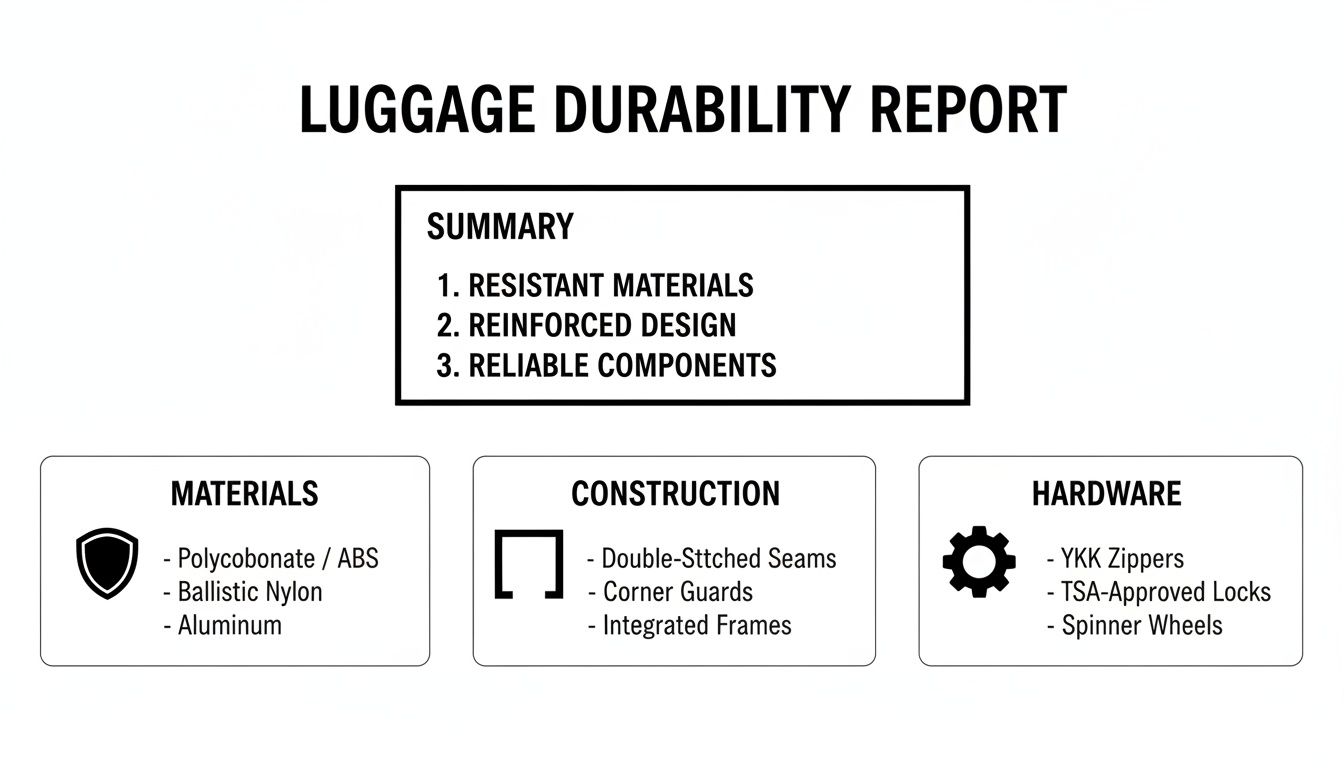
As this graphic shows, true durability comes from the interplay of shell material, construction techniques, and high-quality hardware. It's the whole package that determines whether a suitcase can truly handle the journey.
Carl Friedrik: The Aluminum Artisan
Carl Friedrik approaches durability from a different angle, emphasizing timeless, premium materials and meticulous craftsmanship. They’re famous for their stunning aluminum and polycarbonate luggage that merges classic style with modern build quality.
Their aluminum carry-ons are the definition of protection. The rigid shell is built on an aluminum frame with beefy, reinforced corners. Instead of zippers, they use two TSA-approved combination locks, completely eliminating one of the most common points of failure. This construction is perfect for protecting sensitive gear like cameras and electronics.
Sure, aluminum will pick up dents over time, but those marks become part of the bag’s story—a "travel patina." For those who prefer a cleaner look, their polycarbonate cases offer a lighter alternative with fantastic impact resistance and a sleek finish. Carl Friedrik proves durability can come from robust, traditional materials executed with absolute precision.
Feature Breakdown of Leading Durable Luggage Brands
To help you choose, here's a direct comparison of what these premier brands bring to the table. We’re focusing on their core materials, signature construction, wheel designs, and warranty commitments to guide your decision.
| Brand | Primary Hardside Material | Primary Softside Material | Key Durability Feature | Warranty Policy |
|---|---|---|---|---|
| Samsonite | Roxkin™ & Polycarbonate | High-Density Polyester | Material innovation for lightweight strength. | Limited 10-Year Global Warranty |
| TUMI | Tegris® & Polycarbonate | FXT Ballistic Nylon® | DuraFold™ construction and corner guards. | Limited 5-Year Warranty |
| Briggs & Riley | Makrolon® Polycarbonate | Ballistic Nylon | CX® Expansion-Compression & Outsider® Handle. | "Simple as That®" Lifetime Guarantee |
| Carl Friedrik | Anodized Aluminum | N/A (Hardside focus) | Zipperless aluminum frame with dual locks. | Lifetime Warranty on manufacturing defects. |
This table shows how each brand follows a different path to achieve longevity. Samsonite leads with material science, TUMI with rugged construction, Briggs & Riley with clever engineering, and Carl Friedrik with classic, robust materials. The right choice really depends on your travel style and the kind of beating your luggage is likely to take.
Matching Durable Luggage to Your Travel Style
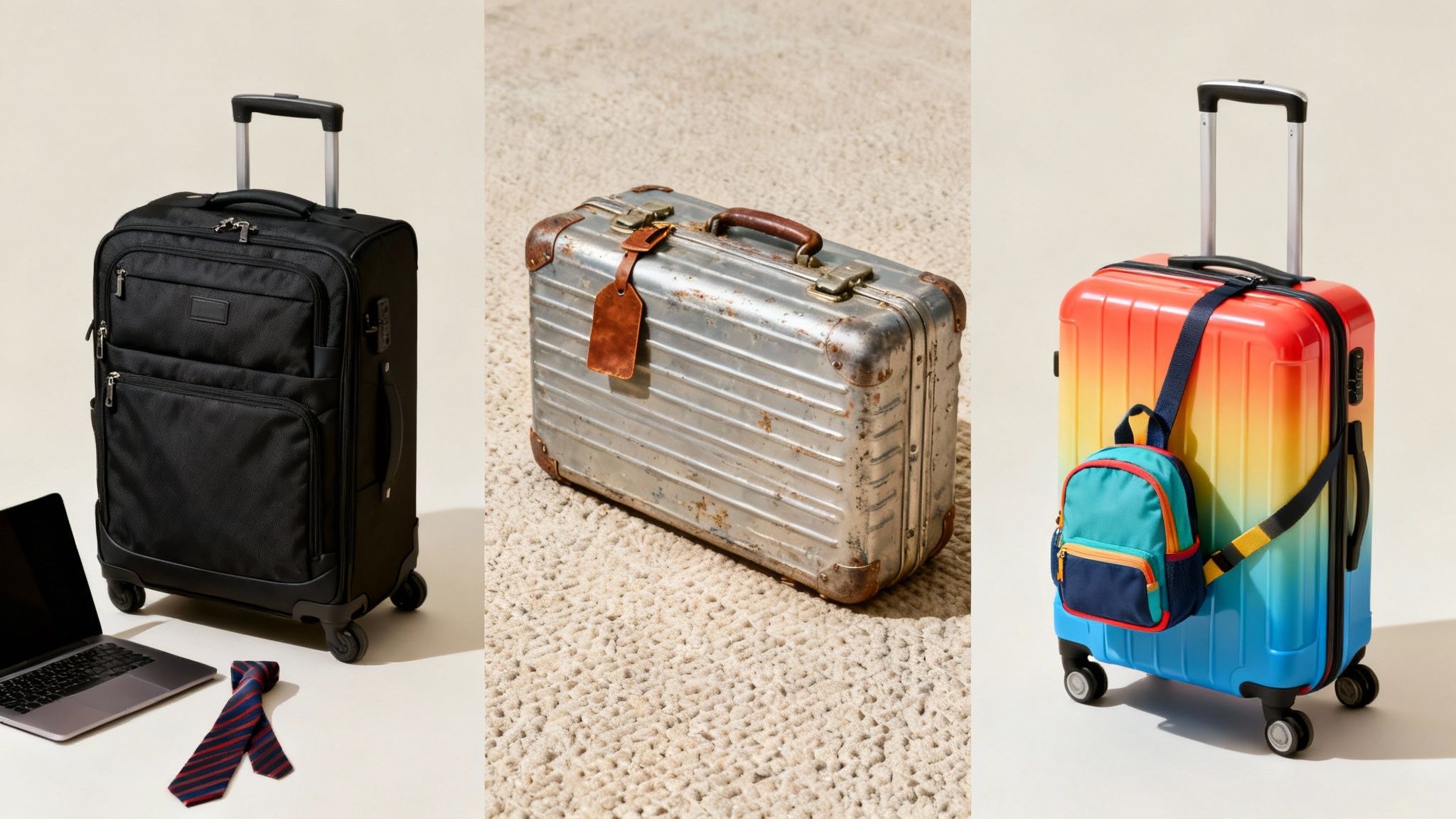
There’s no such thing as the most durable piece of luggage. It’s a myth. The reality is that durability is entirely personal and depends on where you're going and what you're doing. The toughest bag for a week of corporate meetings is worlds apart from the one you'd want on a multi-month trek through Southeast Asia.
Getting this right means you stop looking for one "best" bag and start matching a suitcase's specific strengths to the real-world beating you expect it to take. A bag's resilience is only worth something if it stands up to your travel style. Let's break down what that looks like.
The Frequent Business Traveler
If your life is a blur of airports, hotels, and taxi queues, you know durability is all about withstanding the constant grind. You’re not scaling mountains; you’re fighting for overhead bin space. Your biggest enemies are scuffs, snags, and mechanical failure. You need a workhorse that looks professional and just plain works, every single time.
For this kind of high-mileage travel, a softside carry-on made from ballistic nylon is your best friend. This stuff is incredibly tough and resists the exact kind of abrasions that happen in tight quarters. Brands like Briggs & Riley have this down to a science.
- Self-repairing zippers are a game-changer, preventing a minor snag from turning into a full-blown travel disaster.
- A reinforced frame keeps the bag’s shape, even when you’ve crammed in one last-minute file folder.
- Smooth, robust wheels are non-negotiable for gliding through massive airport terminals without a second thought.
In this context, a ballistic nylon bag that absorbs friction and keeps its sharp appearance is a much smarter pick than a hardside case that will broadcast every single scratch.
The Globetrotting Adventurer
The adventurer's bag lives a much harder life. It gets thrown onto dusty buses, squeezed into the cargo holds of tiny planes, and exposed to all sorts of unpredictable conditions. Here, durability means brute force protection. Impact resistance and structural integrity are everything.
This is where a premium aluminum suitcase, like those from Carl Friedrik, really proves its worth. That rigid shell is a vault for your gear, whether it's expensive camera equipment or fragile souvenirs. Yes, aluminum will dent—but those dents aren't signs of failure. They're part of the story.
This "travel patina" tells a story of resilience. Each dent and scratch is evidence of an impact that a lesser bag might not have survived, transforming wear and tear into a badge of honor for the serious globetrotter.
The zipperless design with dual combination locks is another key feature. It removes a classic weak point, adding a layer of security and structural strength that adventurers can rely on. For them, the extra weight is a small price to pay for total peace of mind.
The Family Vacationer
Family trips come with their own unique durability test: sheer volume and the chaos of getting everyone's stuff from point A to point B. The luggage has to be big, light, and tough enough to be handled by everyone, including the kids.
A lightweight yet tough polycarbonate spinner is the perfect solution here. Brands like Samsonite have mastered this formula, offering large checked bags that can absorb a hit without cracking and are a breeze for anyone in the family to maneuver.
Polycarbonate is a family favorite for a few key reasons:
- Impact Absorption: The material has a bit of flex, allowing it to bend under pressure and pop back into shape, protecting what's inside from rough baggage handlers.
- Lightweight Construction: You can pack more without getting hit with overweight baggage fees—an absolute lifesaver when you're packing for three or four people.
- Effortless Mobility: Those 360-degree spinner wheels mean even a giant, fully packed suitcase can be guided through a crowded theme park or cruise terminal with ease.
When you match the material and design to your travel habits, you’re doing more than just buying a suitcase. You're choosing a reliable piece of gear engineered to handle exactly what you plan to throw at it, making it an investment that will pay off for years to come.
How to Maximize Your Luggage Lifespan
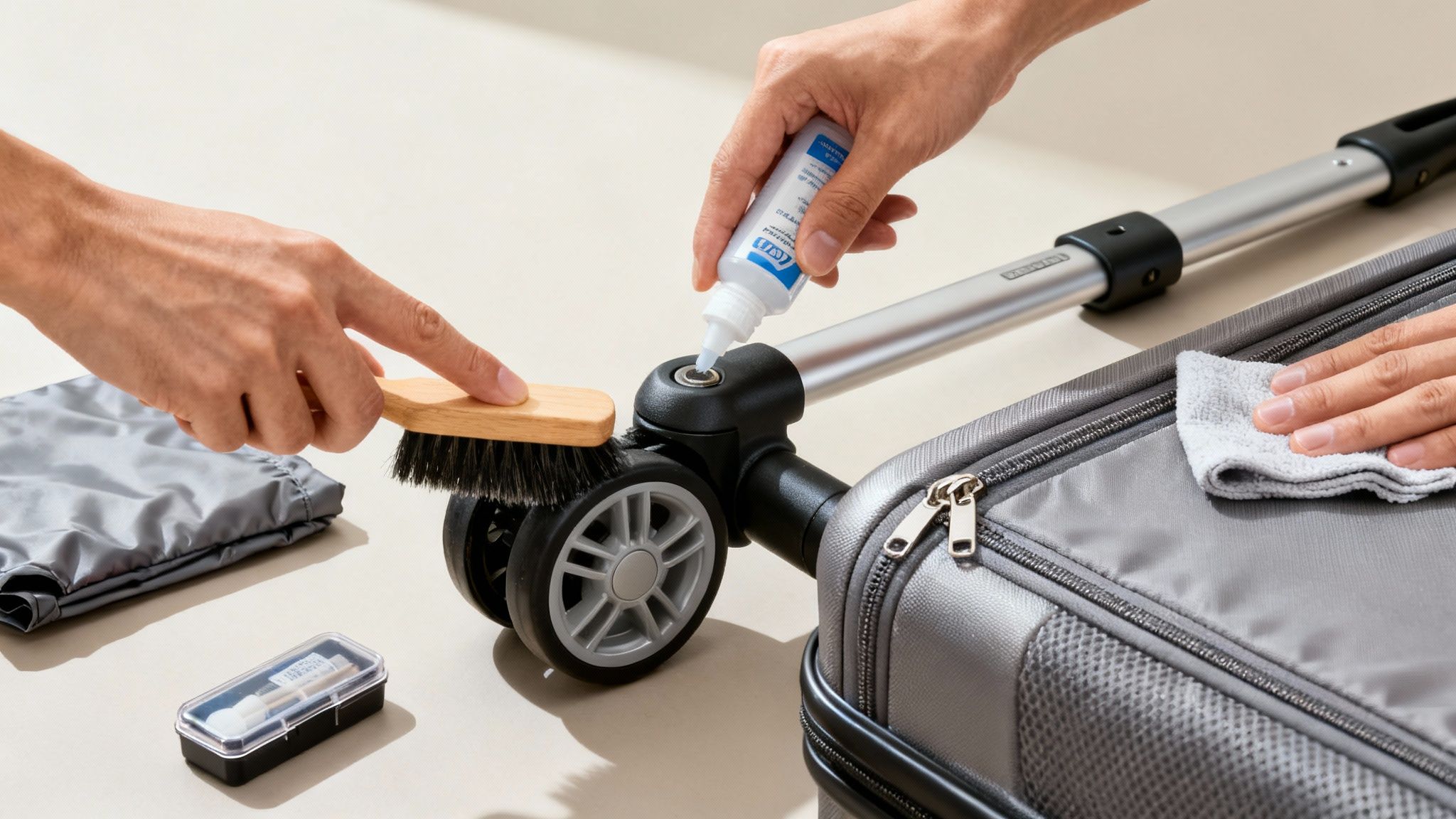
Buying a high-quality, durable suitcase is a great start. But the real secret to making it last for a decade or more is how you care for it between adventures. A little proactive maintenance goes a long way.
These simple routines are about more than just aesthetics; they prevent the common wear and tear that sends luggage to an early grave. Taking a few minutes after you unpack can save you from the headache of a broken suitcase when you're miles from home.
Routine Cleaning and Material Care
Every trip leaves its mark—dirt, scuffs, and spills that can break down materials over time. Consistent cleaning is your first line of defense.
- For Hardside Luggage: A soft cloth with a bit of mild soap and warm water is all you need to wipe down the shell. This gets rid of grime that can eat away at the finish. For stubborn scuffs on polycarbonate, a magic eraser can be surprisingly effective.
- For Softside Luggage: First, vacuum the inside and out with a brush attachment to clear out any dust or crumbs. For stains, use a dedicated fabric cleaner or a gentle soap-and-water solution, but be sure not to soak the fabric.
Proper cleaning keeps your bag looking sharp and preserves the integrity of its protective coatings and fibers, which is key to a long life.
Inspecting High-Stress Components
Let's be honest: the moving parts are usually the first to go. Wheels and handles take a beating, so they deserve a quick check-up after every trip.
Before you put your bag away, give the wheels a once-over. Pull out any hair, string, or debris wrapped around the axles—this is a primary cause of jammed or broken wheels. A quick wipe and a spritz of silicone lubricant will keep them spinning freely. Do the same for the handle, extending and retracting it a few times to make sure it glides smoothly.
A sticky handle or a wobbly wheel is an early warning sign. Addressing these minor issues immediately prevents them from becoming trip-ending failures when you're rushing to catch a flight.
Smart Packing and Storage Habits
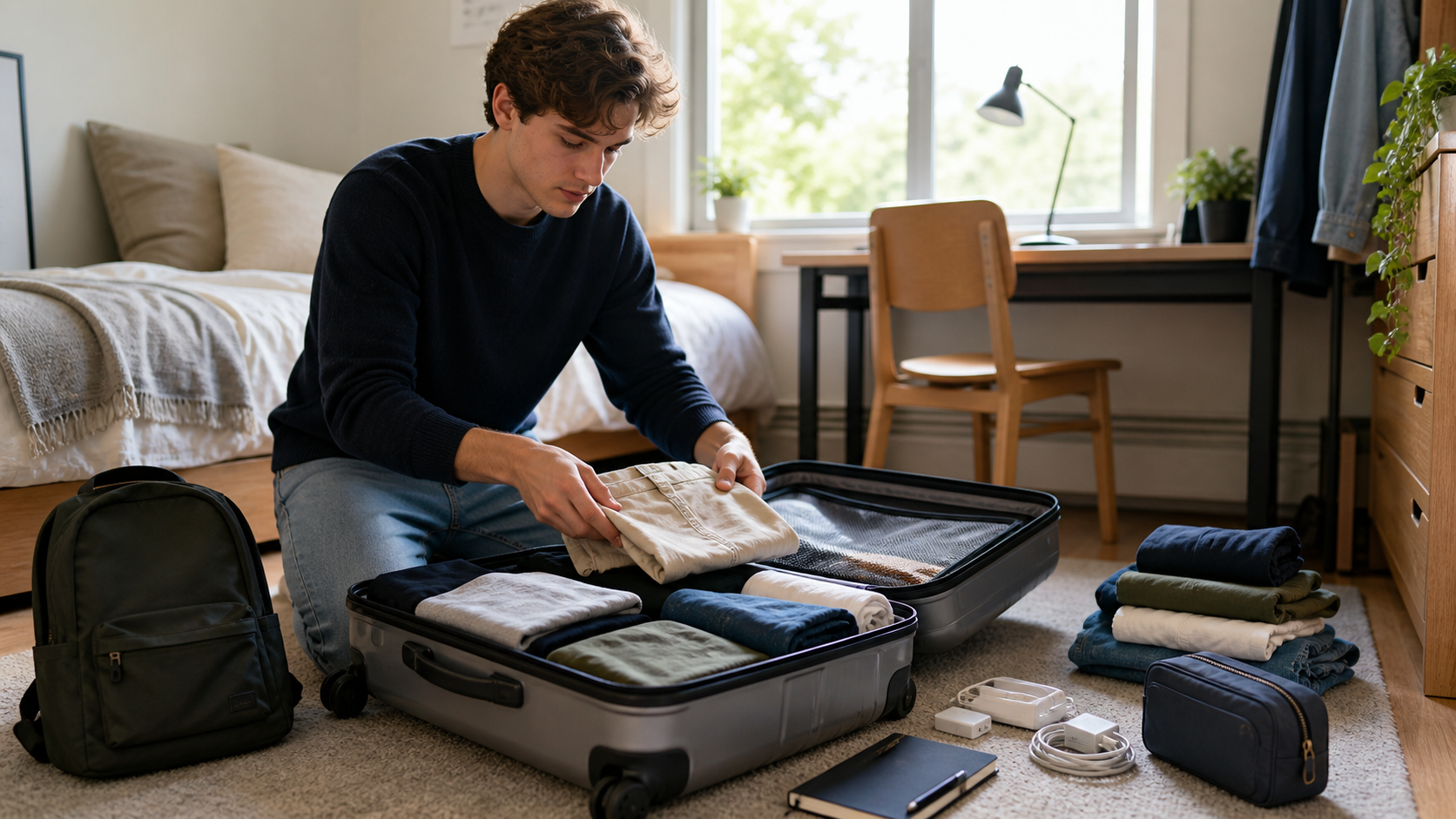
How you pack and store your luggage has a massive impact on its durability. Overstuffing is the number one zipper killer. The strain it puts on seams and zippers is immense and often leads to a complete blowout. Use packing cubes to organize and compress your clothes without putting the bag's structure under pressure.
Where you keep your luggage between trips matters, too. For some great expert tips on how to store luggage safely, you can learn how to protect it from humidity, dust, and physical damage. And if you're still looking for that perfect bag, our guide on how to choose luggage can help you find a true travel partner.
Understanding Luggage Warranties and Repairs
A great warranty is more than just a marketing promise; it's the ultimate sign that a brand truly stands behind its product. When you're hunting for a durable suitcase, think of the warranty as a direct reflection of the manufacturer's confidence in how that bag will hold up over years of travel.
But let's be clear: not all warranties are the same. The fine print can be tricky, and understanding what you're actually getting is key to making a smart investment. The right policy can literally save you hundreds in repair or replacement costs down the road.
Decoding Warranty Terminology
Warranty language can feel like legalese, but there are two core concepts you absolutely need to grasp: manufacturer defects versus wear and tear.
-
Manufacturer Defects: This covers problems that came straight from the factory. A zipper that snags from day one, a wheel that was never aligned correctly, or a seam that unravels before you even leave the house. Pretty much every standard warranty will cover this.
-
Wear and Tear: This is the damage that happens from actually using your luggage. We're talking about the scuffs, scratches, and dents that are an inevitable part of being tossed around by baggage handlers. Most basic, limited warranties will not cover this.
A warranty that only covers manufacturer defects is really just ensuring you didn't get a lemon. The best policies protect you from the harsh realities of travel, not just from a mistake on the assembly line.
Limited vs. Lifetime: What Is the Real Difference?
This is where you can really see a brand's true colors. A "limited" warranty, often lasting 5 or 10 years, almost always sticks to covering only manufacturer defects. It's better than nothing, but it's not a true promise of longevity against the rigors of travel.
A genuine "lifetime" guarantee is a different beast entirely. Take Briggs & Riley's "Simple as That®" guarantee—it's the gold standard. They cover the functional life of the bag against almost anything, including airline damage, and you don't even need proof of purchase. A policy like that tells you everything you need to know about the bag's construction.
You can explore a deeper dive into which suitcases have the best warranty in 2023 to see how top brands stack up on this crucial point.
To stay on top of your policies, especially if you own multiple pieces of gear, it's worth looking into digital tools. Some apps with warranty tracker features can help you organize receipts and claim information all in one spot, which is a lifesaver when you need it.
If you ever do need to file a claim, a little prep work goes a long way. Take clear photos of the damage from several angles, have your proof of purchase handy (if the brand requires it), and find the nearest authorized repair center on the company's website. Being organized makes the whole process smoother and gets your trusted travel partner back in your hands faster.
Your Top Questions About Luggage Durability, Answered
Even after comparing the top brands, a few questions always seem to pop up. It's totally normal. Trying to decipher the real-world differences between materials, features, and warranties can be tricky. Let's tackle some of the most common things travelers ask when they're on the hunt for a bag that won't let them down.
Getting these details straight will help you lock in your final decision with confidence, knowing you've picked the right travel partner for your specific needs.
Hardside vs. Softside: Which is Actually More Durable?
This is the classic debate, and the honest answer is: it depends on your kind of travel. Neither one is automatically better; they just excel in different situations. Hardside luggage, usually made from tough polycarbonate or aluminum, is fantastic at protecting fragile items from big impacts. Think of it as a suit of armor for your gear. The downside? It can show scratches and, under really extreme pressure, could potentially crack.
Softside bags, on the other hand, are typically made from materials like ballistic nylon, which is a champion at resisting scuffs, scrapes, and tears. They also offer a bit more give, which is great if you're known for trying to pack just one more thing. So, you have a choice to make. Do you prioritize impact protection for delicate contents (go hardside)? Or do you need something that shrugs off surface wear and offers packing flexibility (go softside)? It’s the age-old trade-off between shock absorption and scratch resistance.
What's the Single Most Important Part for Durability?
Everyone focuses on the shell material, and while it's important, the real weak points on most suitcases are the wheels and zippers. These are the parts that do the most work and take the most abuse. A rock-solid case is completely useless if a wheel snaps off or the zipper gives out mid-trip, so pay close attention to this hardware.
For a bag that's truly built to last, look for these specific features:
- Dual-Caster Wheels: You'll often see these called double spinner wheels. They provide much better stability and a smoother glide, which puts far less stress on the wheel assembly itself.
- YKK Zippers: This Japanese brand is the gold standard for a reason. They're famous for their incredible strength, smooth action, and proven reliability over thousands and thousands of uses.
A premium shell is pointless if it's paired with cheap hardware. The best brands know a suitcase is only as strong as its weakest link, which is why they don't skimp on the wheels and zippers.
Does a "Lifetime Warranty" Really Cover Everything?
Not always, and this is a huge point of confusion for many buyers. You absolutely have to read the fine print. The term "lifetime" can mean very different things from one brand to another.
Some warranties, like the famous "Simple as That" guarantee from Briggs & Riley, are incredibly comprehensive. They'll cover functional damage for the life of the bag, even if an airline is to blame. Many others, however, only cover defects from the manufacturing process. They’ll specifically exclude "normal wear and tear" or any damage caused by baggage handlers. Before you buy, always check what the warranty actually promises—is it for defects, airline damage, or both? The answer tells you a lot about how much confidence a brand truly has in its product.
At Voyage Luggage, our goal is to give you all the details on warranties and features upfront, so you can find a suitcase that's genuinely built for the long haul. Take a look at our curated collection of the world's most durable brands and start traveling with true peace of mind.
Find your perfect travel companion today at https://voyageluggage.com.


Share:
The Ultimate Guide to the Best Luggage Brands for Travel
Best Luxury Luggage Brands: The Ultimate Guide for Smart Travelers